

Ask most people what a strength and conditioning coach does and they'll give a familiar answer:
"Help athletes perform better."
Which is true, but it only tells part of the story.
The reality is that wins and losses are influenced by dozens of factors:
- Talent
- Tactics
- Skill execution
- Opponent quality
- Injuries
- Luck
As S&C coaches, we influence performance, but we rarely control performance outcomes.
That's an important distinction.
Not All Sports Are Created Equal
In some sports, it's easy to connect physical development to performance.
Take sprint cycling.
The goal is simple:
- Produce more power
- Go faster
- Improve race times
The relationship between training and performance is relatively clear.
In team sports, things get more complicated.
Research in soccer has shown that improving fitness can increase:
- Distance covered
- Number of sprints
- Ball involvements
But those improvements don't automatically lead to more wins.
Performance outputs and competition outcomes are not the same thing.
Strength Training Is More Than Performance Training
Most coaches already appreciate strength training for improving:
- Force production
- Power
- Speed
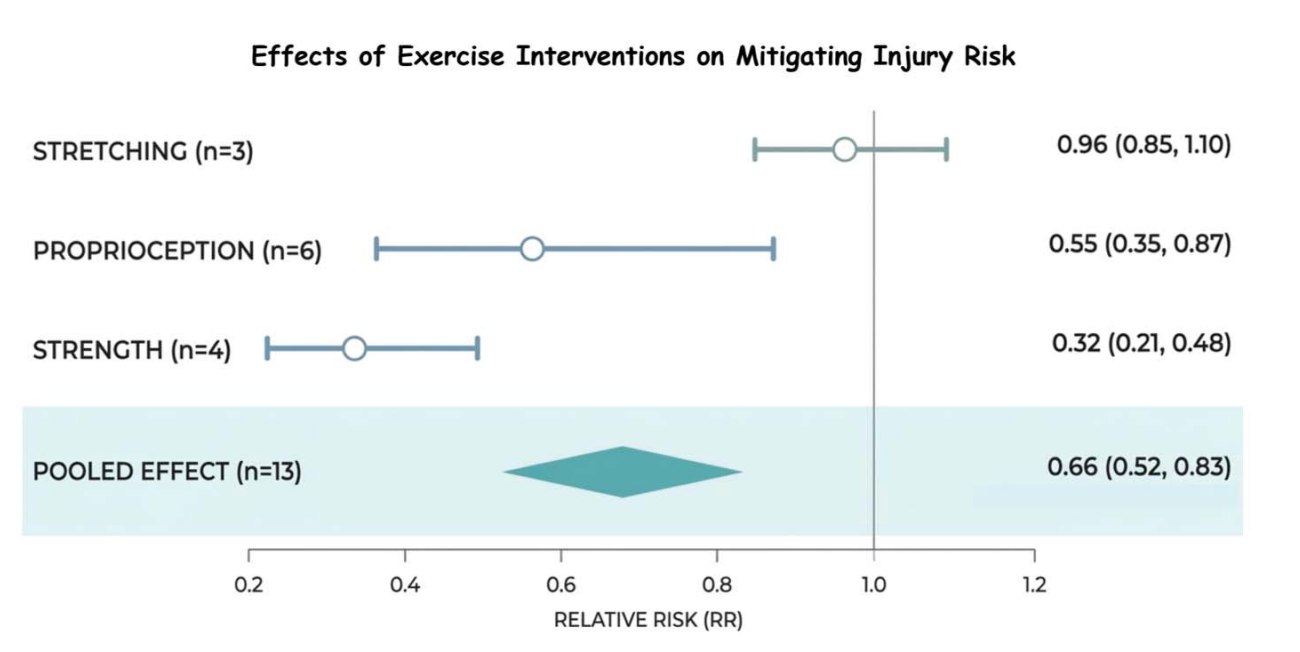
But the injury prevention data are just as impressive.
Large meta-analyses have shown that strength training can reduce non-contact injury risk by as much as 68%.
Not stretching and certainly not trendy corrective exercises.
Strength training.
Getting stronger appears to make athletes more capable of tolerating the demands of sport.
Athletes who stay healthy train more, develop more, and compete more.
Availability is performance and the best ability is availability.
The Benefits Extend Beyond Sport
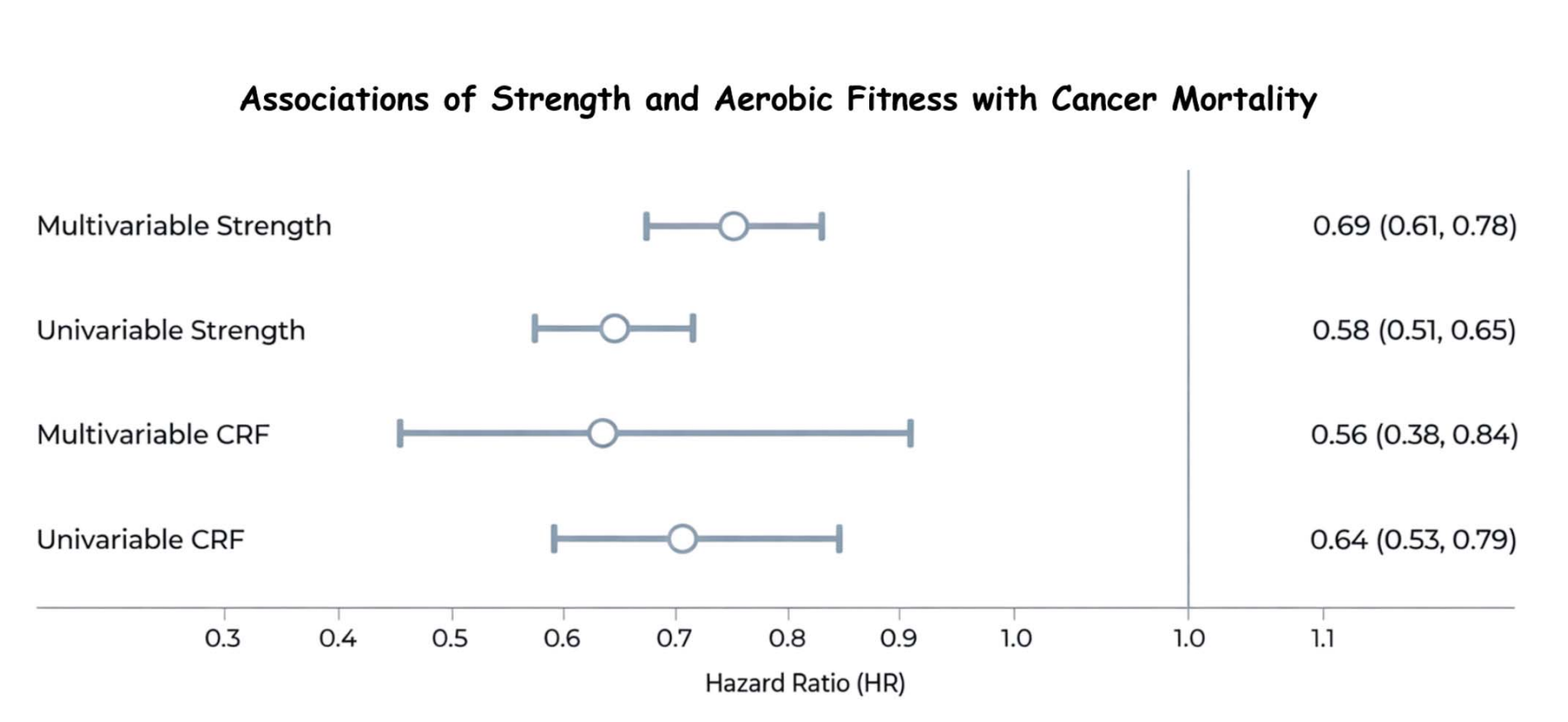
The data make it clear that strength training is not just for sport performance and injury mitigation.
Higher levels of strength have been associated with:
- Lower mortality risk
- Better outcomes in cancer patients
- Reduced symptoms of depression
- Improved long-term health
The same quality we chase in high-performance sport may also help people live longer and healthier lives.
Coach's Takeaway
- Focus on adaptations, not wins and losses ⮕ Measure the qualities you can directly influence.
- Athlete availability is one of the most valuable outcomes in sport ⮕ Healthy athletes have more opportunities to succeed.
- Strength remains foundational ⮕ It supports performance, reduces injury risk, and contributes to long-term health.
The role of strength and conditioning extends far beyond helping athletes win games.
We help athletes perform. We help keep them available.
And in many cases, we help improve the quality and longevity of their lives.
I hope this helps,
Ramsey
The Applied Performance Coach Certification and Mentorship is a
6-week live online course that will accelerate your understanding, application and confidence in performance science and coaching.
Reference
Bishop C, Chavda S, Turner A. (2026). The Role of Strength and Conditioning in Supporting Athletic Performance, Mitigating Injury Risk, and Enhancing Health: A Narrative Opinion. Strength & Conditioning Journal.