

The ACSM just updated its position on resistance training for the first time since 2009.
Not because everything changed, but because this paper looked at over 130 systematic reviews and 30,000+ participants.
The research group asked: What actually drives strength, hypertrophy, and performance?
Here is the simple breakdown and the full position stand is linked at the end.
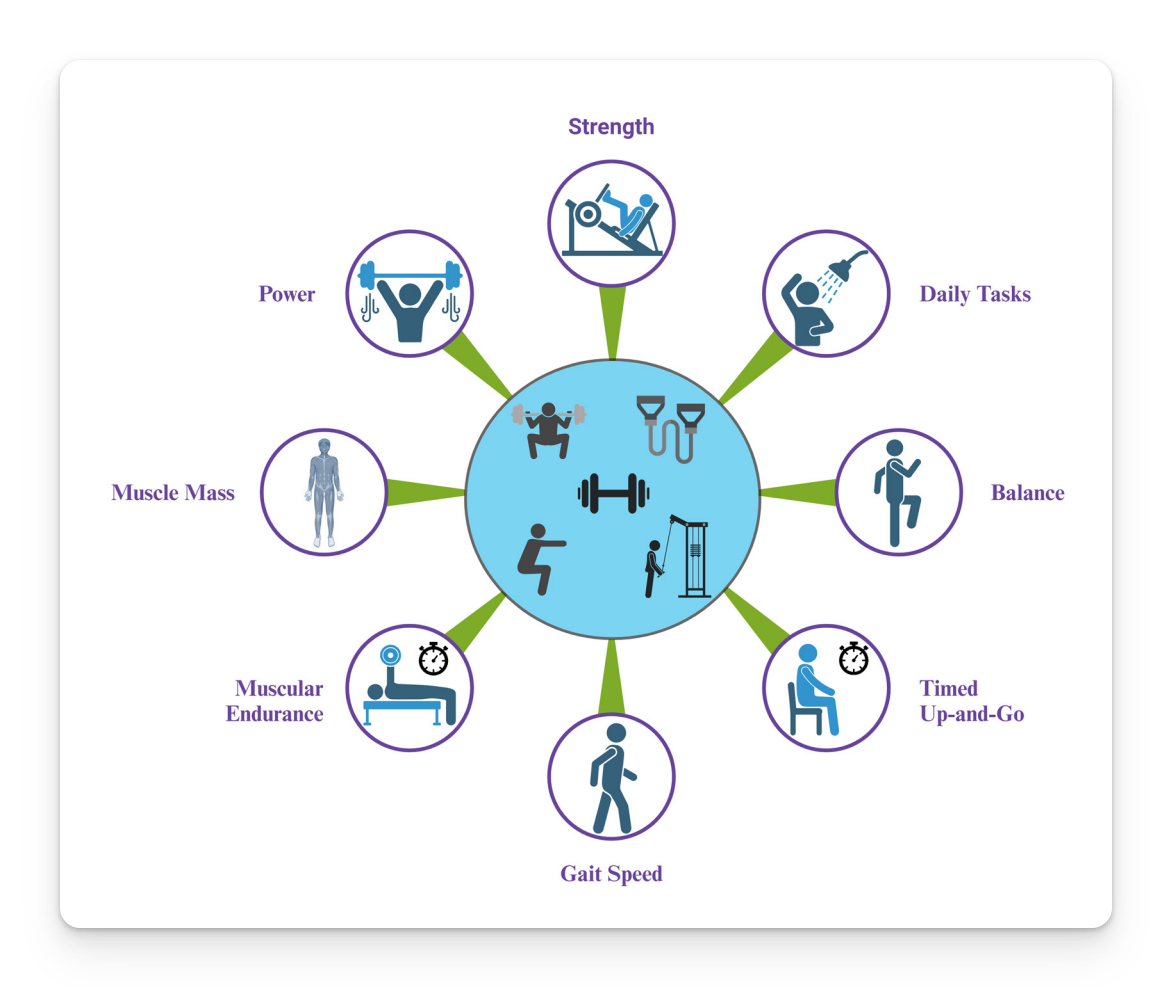
What Actually Drives Adaptation
The data clearly shows that resistance training improves strength, muscle mass, power, endurance, balance and function.
The ACSM essentially confirms that a few key variables matter more than everything else.
1. Strength = Load Matters
If the goal is to get stronger, do this:
- Use heavier loads (around ≥80% 1RM)
- Train 2–3 sets per exercise
- Lift at least 2x per week
- Use full range of motion
One subtle but useful point: Exercises done earlier in the session tend to improve more.
So if something matters, don’t put it last.
2. Hypertrophy = Volume Wins
For muscle growth, the main driver is total weekly volume.
- Around 10+ sets per muscle per week seems to be a good target
- Load matters less than people think
- Frequency doesn’t matter much if volume is matched
You can build muscle with heavy or lighter loads. What matters is doing enough work and approaching failure with each set.
3. Power = Speed + Intent
Power is where things shift.
- Use moderate loads (30–70% 1RM)
- Move with max intent
- Keep volume lower
This is where Olympic lifts, jump training, and ballistic work come in.
What Matters Less Than You Think
This is where the paper gets interesting.
A lot of things coaches argue about didn’t consistently change outcomes:
- Training to failure
- Machines vs free weights
- Time under tension
- Set variations (drop sets, clusters, etc.)
- Periodization models
Thats not to say that these are useless.
It means they’re tools, not drivers. They help you organize training, not create adaptation.
The Real Message for Coaches
This paper reinforces something simple but easy to forget.
1. Consistency Beats Complexity
Most adaptations happen because people:
- Train regularly
- Accumulate enough volume
- Progress over time
Not because the program is “optimized.”
2. Progressive Overload Still Rules
Progress can come from:
- More load
- More volume
- More frequency
- Better execution
If those aren’t changing, results will plateau.
3. Flexible Individualization Over Rigid Programming
Programs should be adjusted based on:
- Training age
- Goals
- Injury history
- Preferences
The best program is the one your athlete and clients will actually follow.
Where Coaches Can Go Wrong
This paper highlights that we often overemphasize the small stuff.
- Arguing about tempo prescriptions
- Debating failure vs non-failure
- Obsessing over periodization models
Meanwhile the athlete isn’t training enough, volume is inconsistent and progressive overload is missing. You can’t out-program poor fundamentals.
Practical Application
The biggest takeaway from the new ACSM guidelines is that the basics still win.
For Strength-Focused Athletes
- Prioritize heavy compound lifts
- Keep key exercises early in sessions
- Train at least 2–3x per week
For Hypertrophy:
- Track weekly volume per muscle group
- Aim for ~10+ quality sets
- Don’t stress load as much as total work
For Power
- Include fast, explosive movements
- Use moderate loads
- Keep reps crisp, not fatigued
You want to lift consistently, accumulate enough volume, use appropriate loads and progress over time.
Everything else is just refinement.
If you’re a coach, this should actually feel freeing because you don’t need a more complex program. You need better execution of the fundamentals.
I hope this helps,
Ramsey
Reference
Currier BS, D’Souza AC, Singh MAF, et al. (2026). Resistance Training Prescription for Muscle Function, Hypertrophy, and Physical Performance in Healthy Adults: An Overview of Reviews. Medicine & Science in Sports & Exercise. Access full publication here.


