

Achilles tendinopathy is one of the most persistent and frustrating overuse injuries in sport.
A key mechanism behind symptom relief is immediate fluid exudation from the tendon during loading. This reduces intratendinous pressure, improves stiffness, and decreases tendon thickness.
Despite decades of eccentric protocols, we still don’t know which specific parameters (speed, intensity, ROM) best promote fluid movement and rapid tendon changes.
This study tested how loading speed and loading intensity during eccentric heel-drops affect Achilles tendon thickness, cross-sectional area (CSA), and stiffness.
Which eccentric heel-drop variation creates the greatest acute improvements in Achilles tendon structure and stiffness?
What Did the Researchers Do?
Study Design
- 32 healthy, active adults (18–30 years old), all participating weekly in Achilles-loading activities (running, sport, etc) participated.
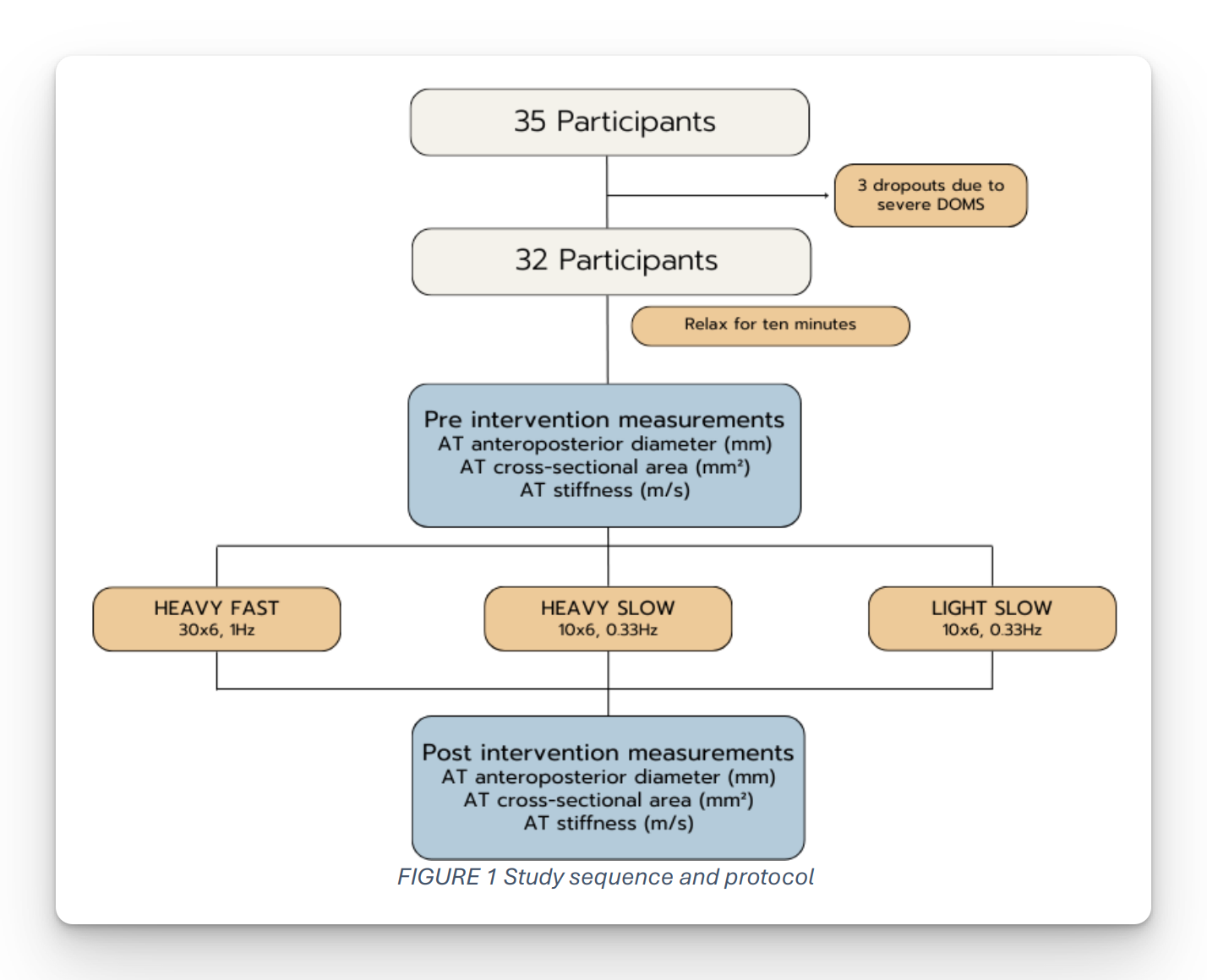
- A randomized cross-over trial with three separate sessions, each at least 1 week apart.
Intervention
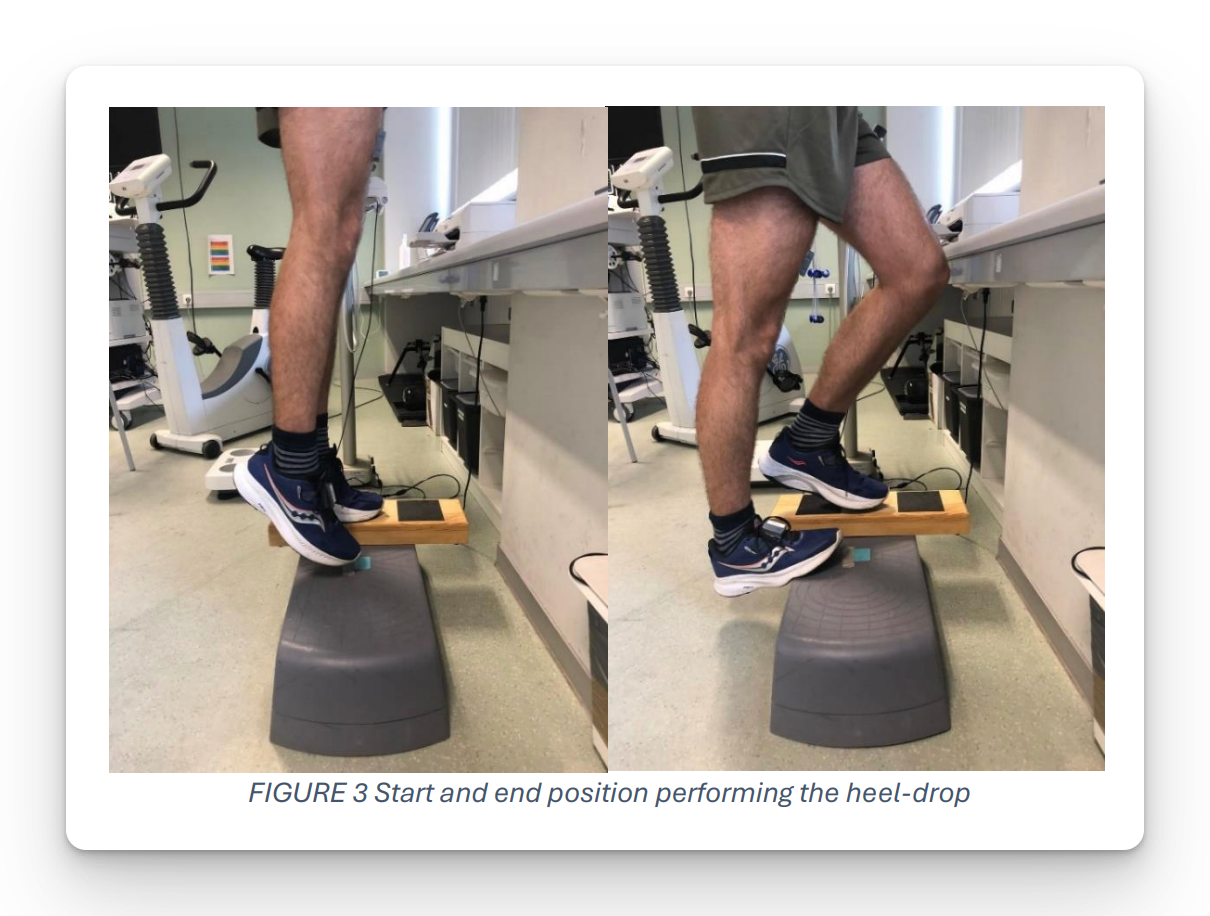
While wearing a vest equal to 20 percent of body weight, participants performed a unilateral eccentric heel-drop with the knee extended, using the opposite leg to complete the concentric phase.
The three sessions were performed as follows:
- Heavy-Slow: Max plantarflexion to max dorsiflexion, 3 seconds
- Heavy-Fast: Max plantarflexion to max dorsiflexion, 1 second
- Light-Slow: Max plantarflexion to neutral ankle, 3 seconds
Each session consisted of 6 sets, with equal time-under-tension for all protocols.
Measurements
Measures taken pre- and immediately post-exercise.
- Anteroposterior Diameter (APD) via ultrasound.
- Cross-Sectional Area (CSA) via B-mode ultrasound.
- Tendon Stiffness via shear wave elastography.
What Were the Results?
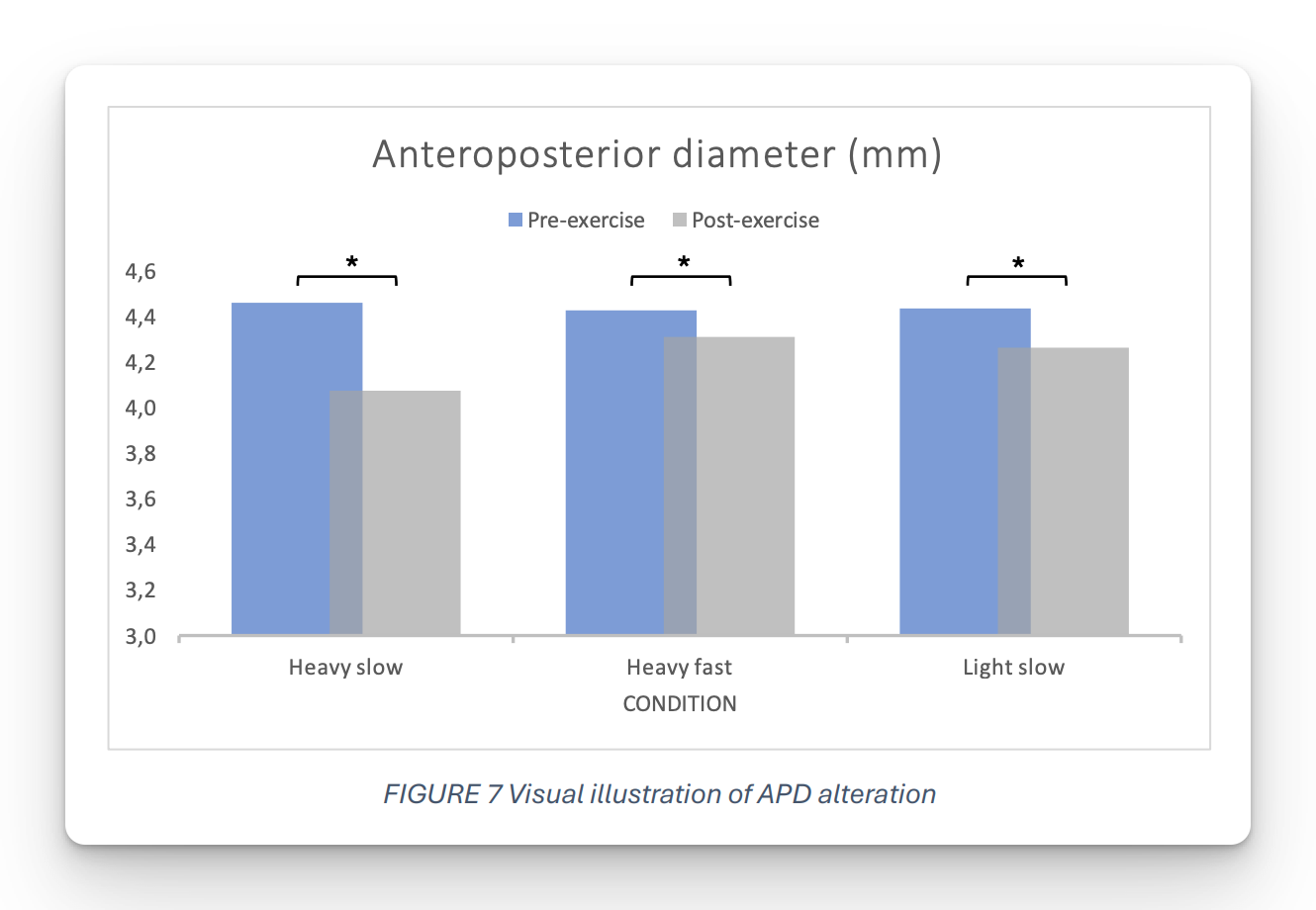
Tendon Diameter (APD) Decreased in All Groups
- Heavy-Slow: -9%
- Light-Slow: -4%
- Heavy-Fast: -3%
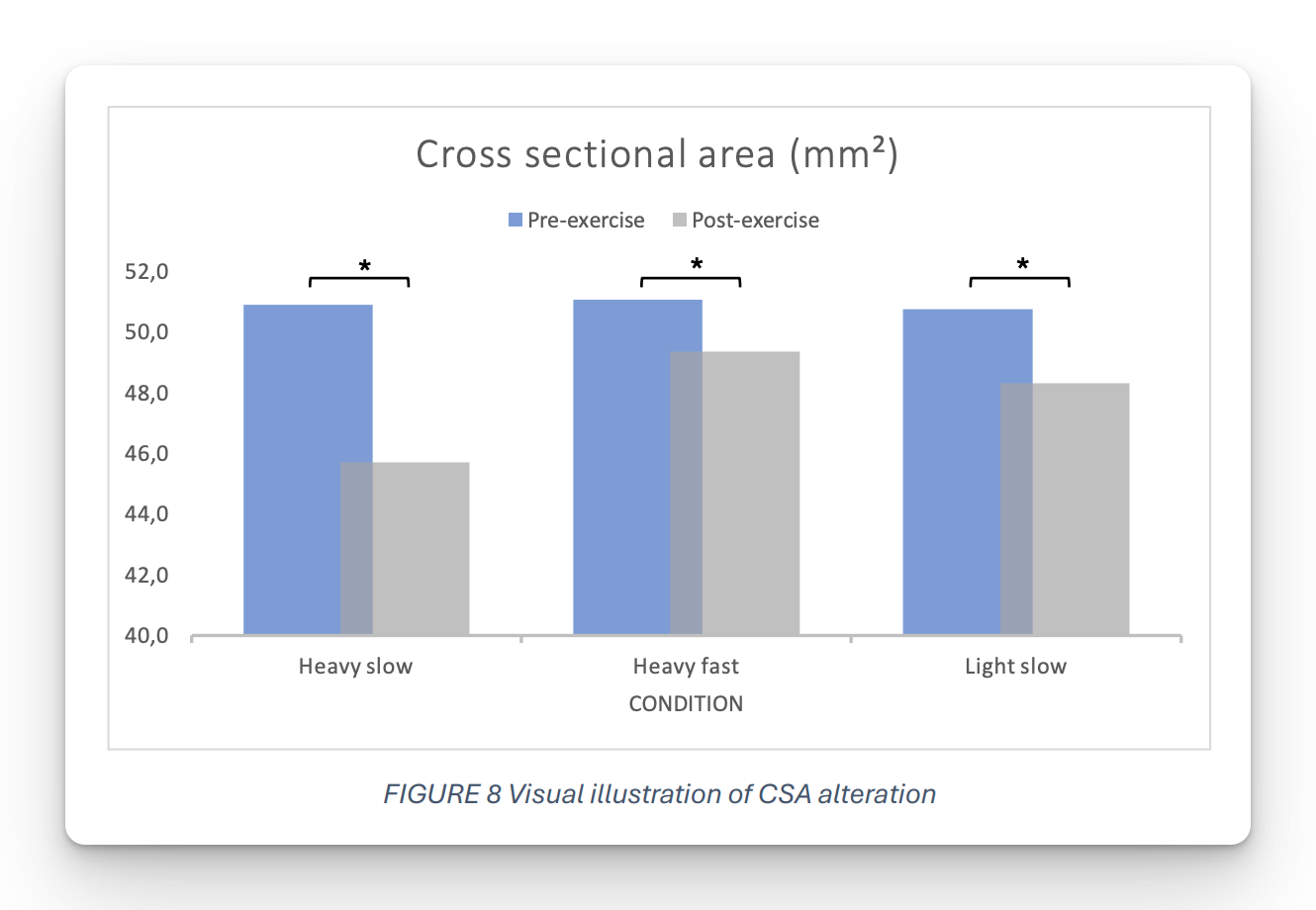
Tendon Cross-Sectional Area (CSA) Decreased in All Groups
- Heavy-Slow: -10%
- Heavy-Fast: -3%
- Light-Slow: -5%
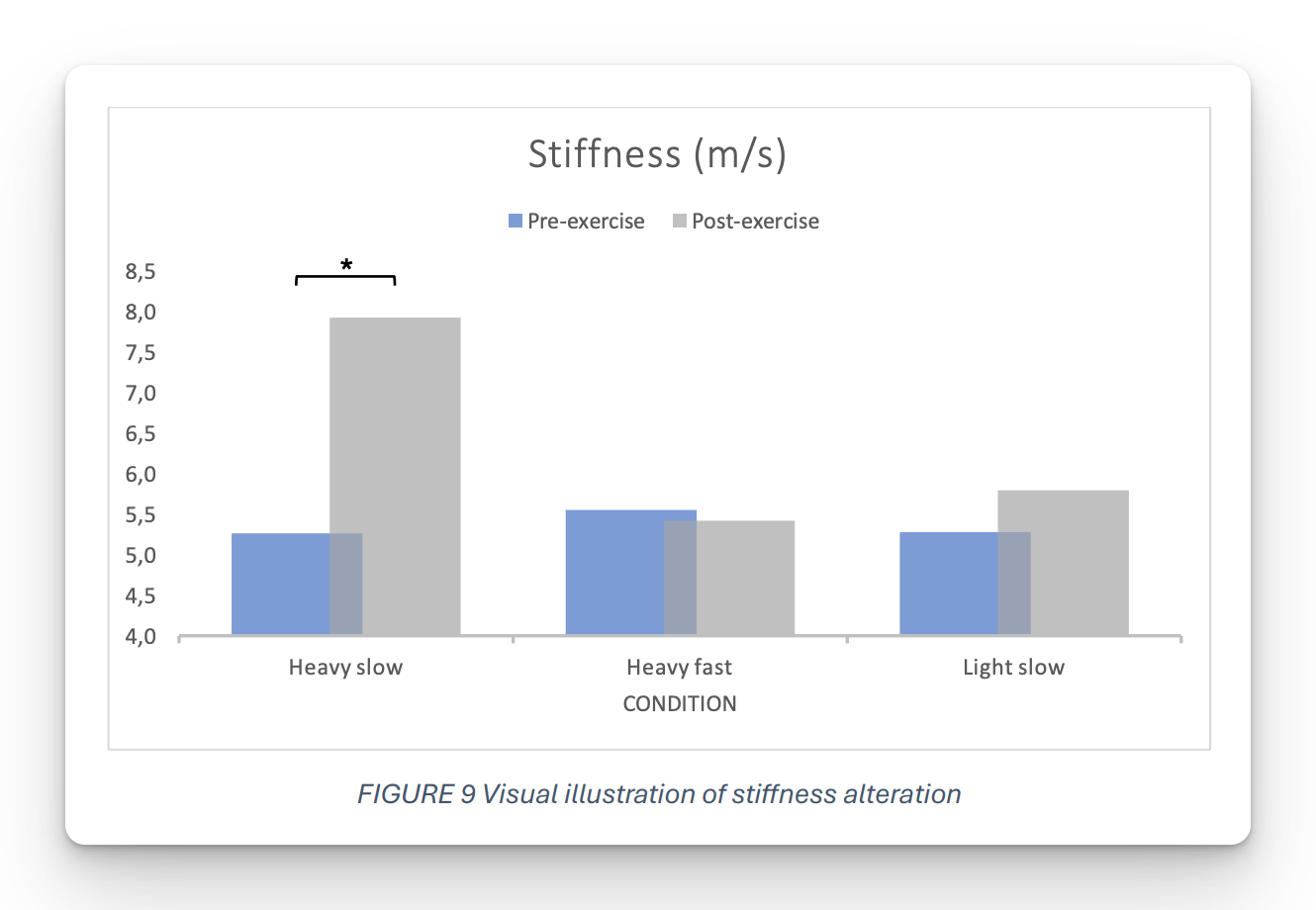
Tendon Stiffness Increased Only in Heavy-Slow
- Heavy-Slow: +51%
- Heavy-Fast: No significant change
- Light-Slow: Slight increase, not significant
What Does This Mean?
In short, if your goal is tendon adaptation, fluid movement, and improved mechanical properties, slow and heavy is the most effective eccentric strategy.
- Slow, heavy eccentrics produced the strongest immediate mechanical response.
- Bigger reductions in APD and CSA suggest greater fluid exudation, which likely reduces intratendinous pressure and pain.
- Increased stiffness is beneficial for restoring the tendon’s ability to store and release energy.
- Fast eccentrics created more DOMS and were less tolerated, suggesting they may be better suited for late-stage rehab.
Limitations
- Only the midportion was assessed; not insertional tendons.
- Acute changes were measured; no long-term adaptation was measured.
- Participants were young and healthy; limits generalization to symptomatic tendons, where fluid dynamics differ.
Coach’s Takeaway
Heavy-Slow was superior on every meaningful metric
- Heavy-slow eccentric heel-drops produce the best immediate Achilles tendon response.
- For athletes with tendinopathy or high tendon loads, prioritize heavy eccentrics with full ROM and slow execution (3 seconds).
- Avoid fast eccentrics early in rehab due to greater DOMS and less tendon-specific benefit.
Think long duration, full ROM, and high tension when designing Achilles protocols.
I hope this helps,
Ramsey
Reference
Pringels L, Pieters D, Van den Berghe S, Witvrouw E, Burssens A, Vanden Bossche L, Wezenbeek E. (2025). Loading speed and intensity in eccentric calf training impact acute changes in Achilles tendon thickness and stiffness: A randomized crossover trial. Medicine & Science in Sports & Exercise, 57(5), 895–903.


