

ACL rehab still has a big problem: we can restore ROM, strength, and hop symmetry, then watch athletes break down when sport gets chaotic.
This case study suggests rehab needs variability earlier and more often to prepare the athlete for the messy, reactive demands of basketball.
Differential Learning (DL) is built around that idea.
Instead of repeating “perfect reps” with constant correction, DL deliberately amplifies movement fluctuations (noise) and often reduces external feedback, so athletes self-organize solutions under changing constraints.
If we layer “built-in variability” into ACL rehab from early phases through return to play, can an athlete regain performance and confidence while keeping asymmetries and symptoms in check?
What Did the Researchers Do?
Athlete Details
- This was a single-case report on an 18-year-old trained male basketball player (1.70 m, 75 kg) with a left ACL rupture (non-dominant leg) during a contact layup scenario.
- He underwent ACL reconstruction using a patellar tendon allograft 25 days after injury.
Rehab duration
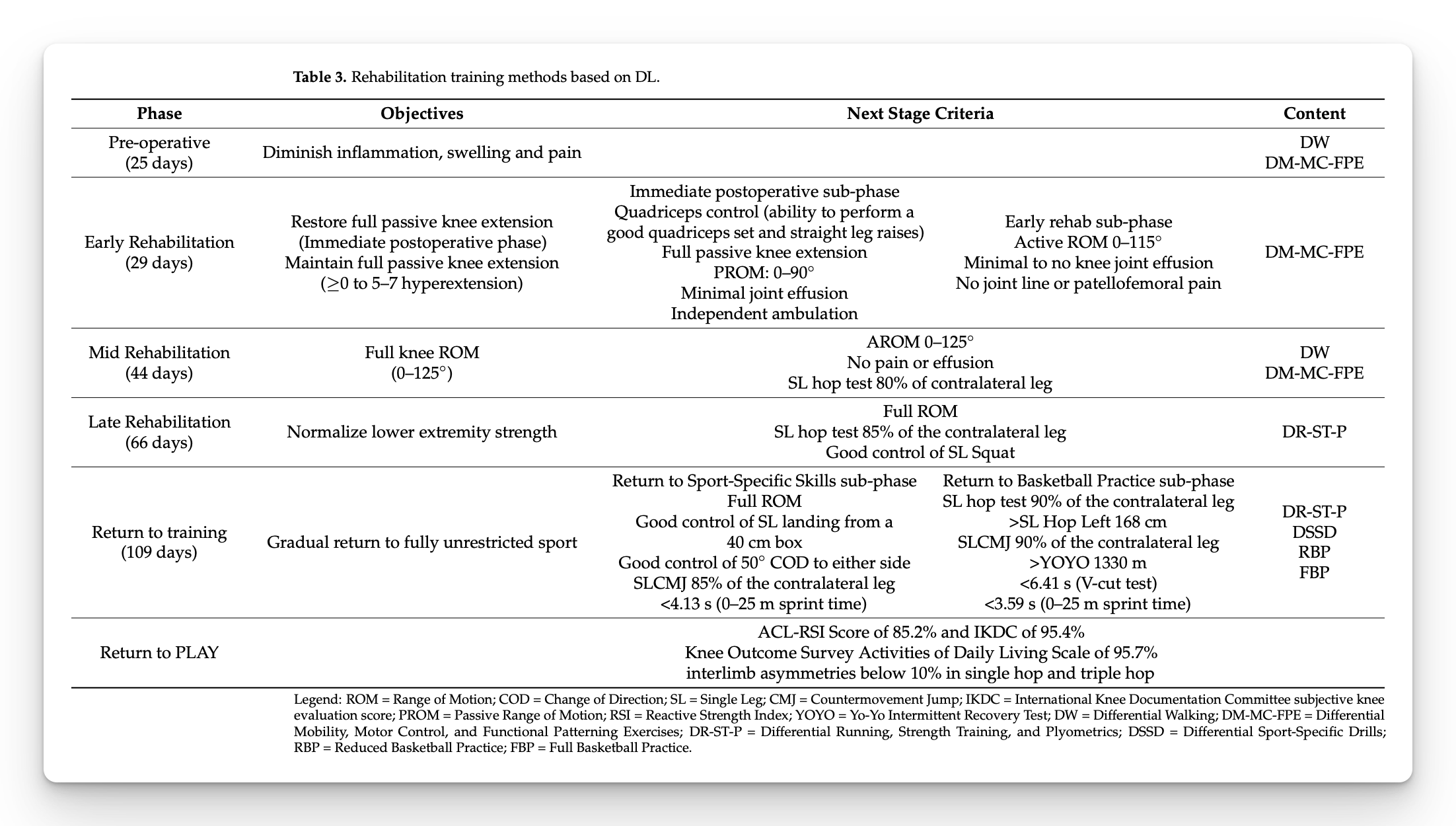
42 weeks, split into phases:
- Pre-op (25 days)
- Early rehab (29 days)
- Mid rehab (44 days)
- Late rehab (66 days)
- Return to training (109 days, with sub-phases)
- Return to play (after meeting criteria)
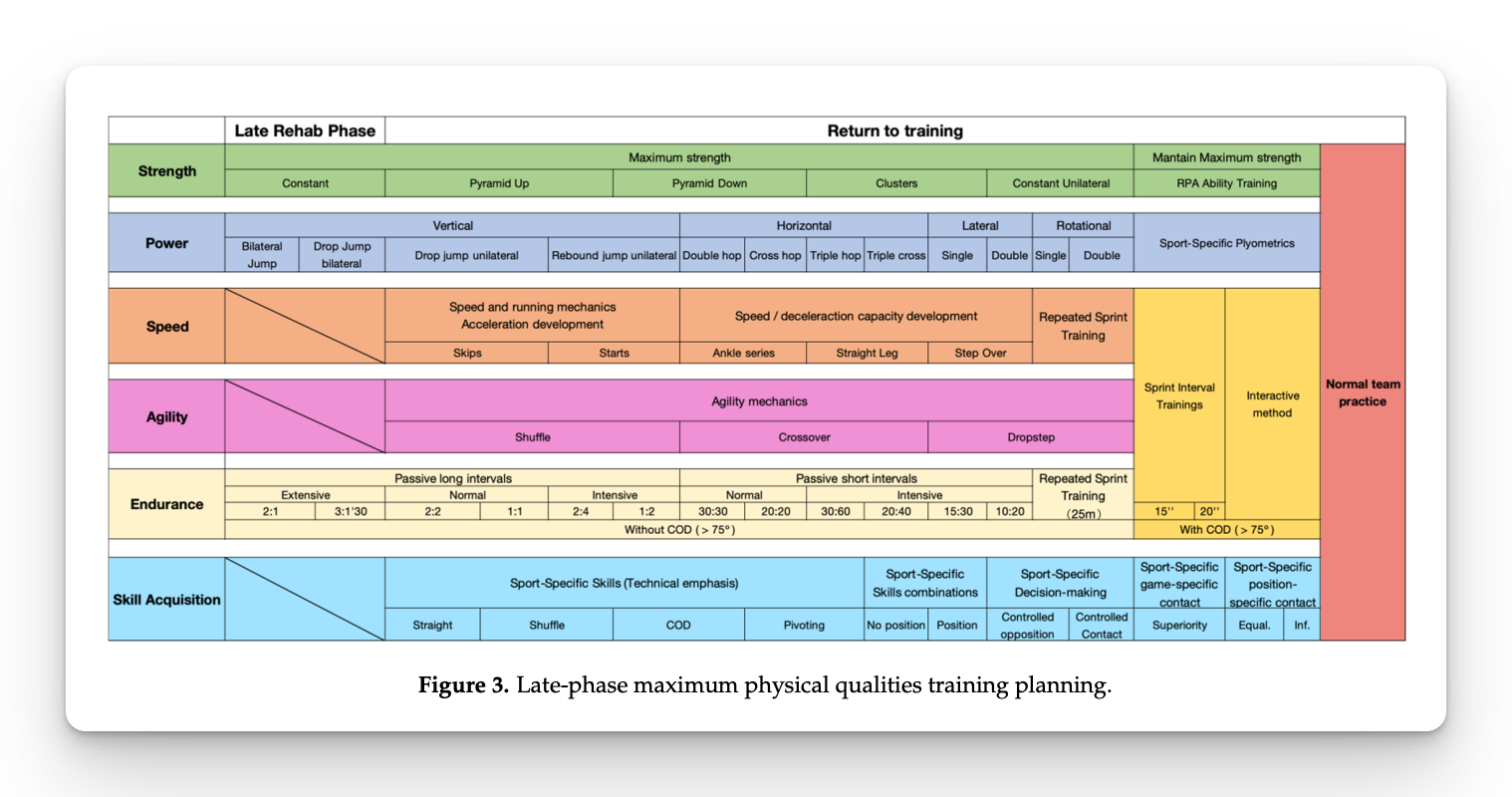
Programming DL
DL was applied across the whole timeline using variations in:
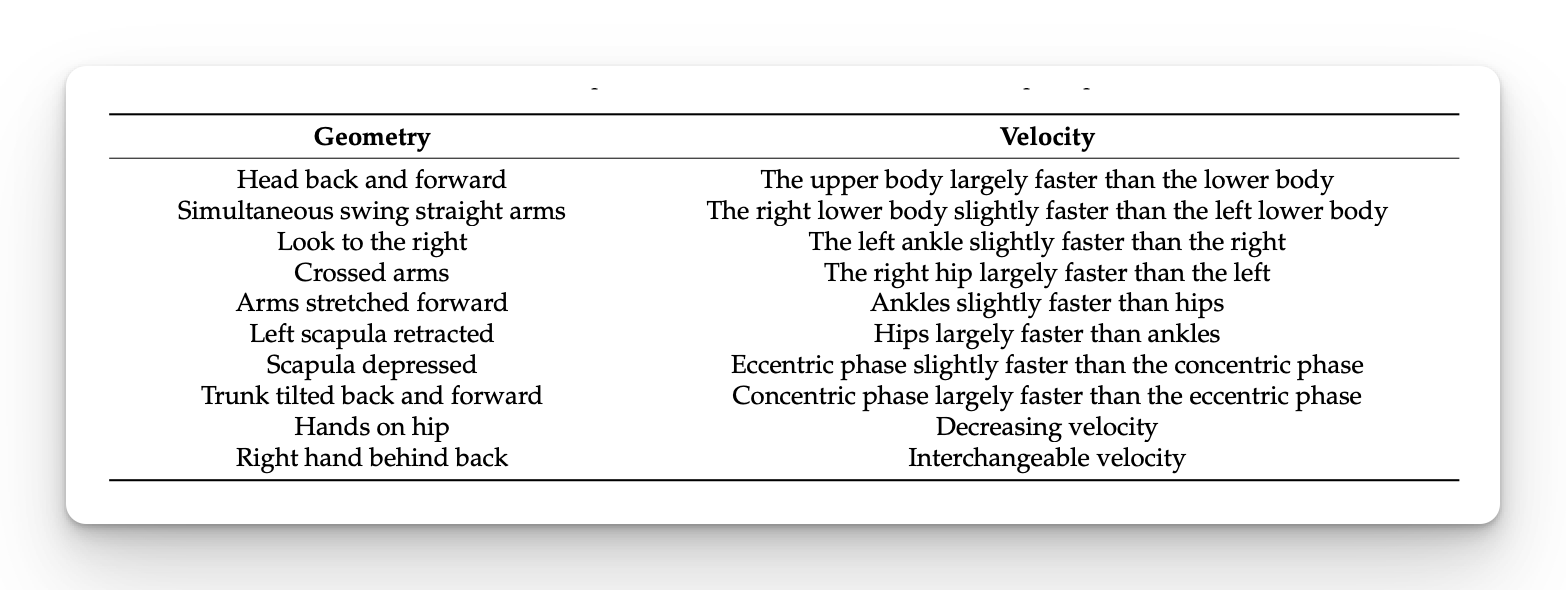
- Geometry ⮕ Head position, trunk angle, arms crossed, looking right, etc.
- Velocity / Rhythm ⮕ Upper body faster than lower, eccentric faster than concentric, right hip faster than left, etc.
The goal was to perturb coordination so the athlete constantly solves the movement task under slightly different sensory and mechanical conditions.
Testing and Monitoring
- Pre-injury performance baselines were available (strength, jumps, sprints, agility, YoYo IR1)
- Functional tests during rehab included hop testing, COD tasks, and sprint performance
- Self-reported knee function tracked daily via International Knee Documentation Committee subjective knee form (IKDC; 0–100)
- Return-to-sport readiness (ACL-RSI)
- Load and recovery: sRPE training load, ACWR (rolling + EWMA), sleep efficiency, HRV/RHR via HRV4Training, TQR, with daily adjustments when needed
What Were the Results?
The athlete returned to play and reported high function and readiness, with strong objective performance.
Key RTP Outcomes
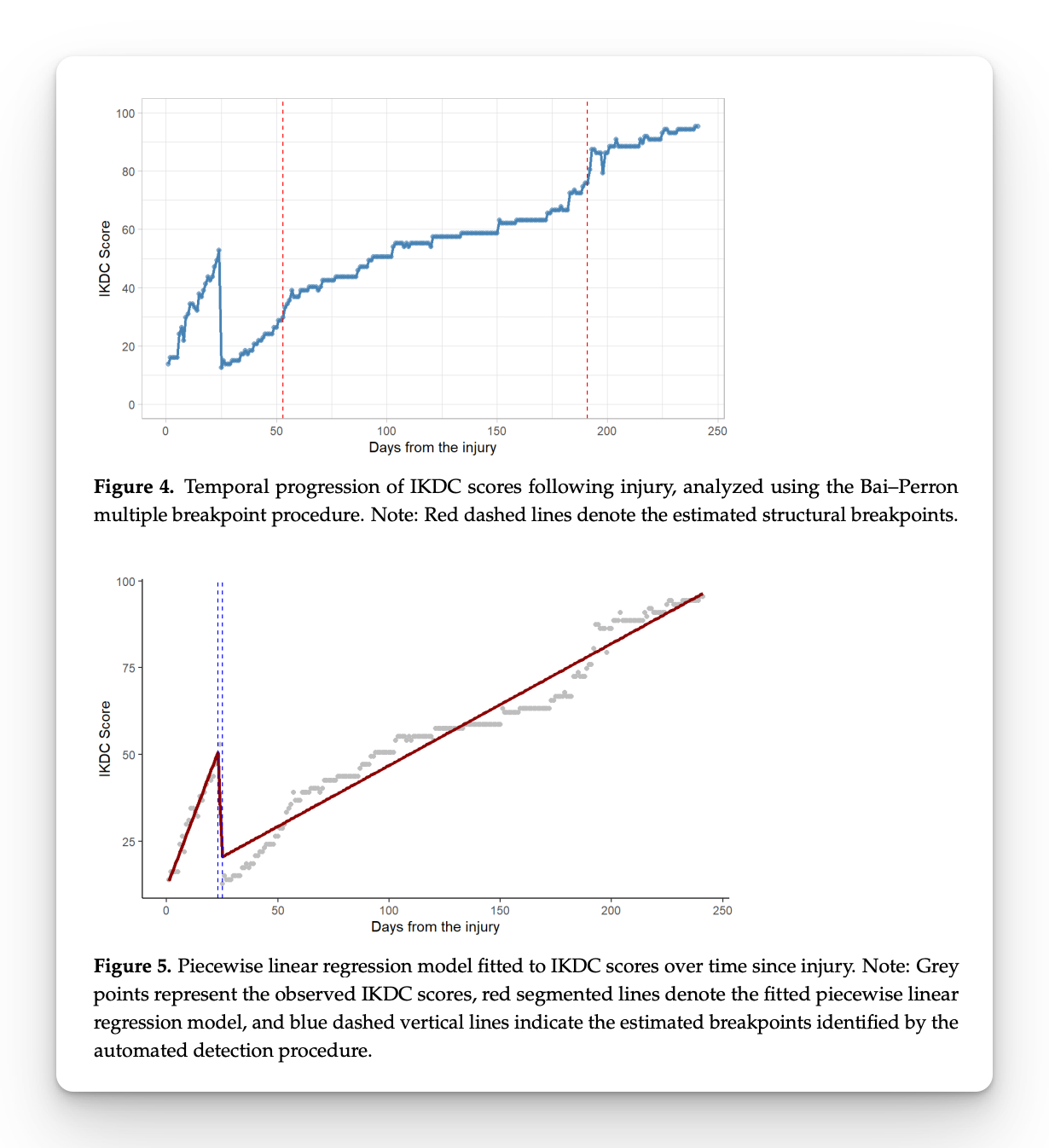
- IKDC improved from 13.8% at baseline to 95.4% post-op, landing in normal functional ranges
- ACL-RSI = 85.2%, suggesting high psychological readiness
- Inter-limb asymmetries < 10% in single-hop and triple-hop at return-to-play decision point
- Strength, agility, and sprint performance exceeded pre-injury levels
Recovery Was Not Linear Over Time
Recovery did not progress in a smooth, straight line. Instead, the athlete’s IKDC scores changed in distinct phases over the rehab timeline.
- Statistical modeling identified key transition points around days 50, 114, and 191, showing clear shifts in the rate of recovery.
- Early phase: rapid improvement in knee function and confidence.
- Transition phase: a short dip or slowdown, likely reflecting increased training demands or exposure to new stressors.
- Later phase: recovery stabilized and continued to progress at a steady rate.
What Does This Mean?
Variability is a rehab skill, not a late-stage add-on
- Early rehab is often overly predictable, with “chaos” saved for the end
- This case shows DL-style variability can be layered from mobility and motor control through plyometrics and sport-specific drills
Differential learning supports both mechanics and mindset
- Variability trains neuromuscular adaptability and coordination under perturbation
- High ACL-RSI and qualitative reports suggested improved confidence during training
Passing tests does not equal basketball readiness
- Basketball requires perception–action coupling under speed, fatigue, contact, and changing angles
- Differential learning offers a structured way to train adaptability instead of hoping it shows up during live play
Limitations
- A single case study of a motivated 18-year-old with no control condition.
- DL dosage is not quantified in a way that lets you replicate precisely (for example, “how many variations per drill per week”).
Coach’s Takeaway
- Start with “micro-variability” early ⮕ Change head position, arm position, stance width, tempo, or gaze while keeping the task safe.
- Progress variability with intensity ⮕ As loads and speeds rise, keep the variations but match them to what the knee can tolerate.
- Use DL to bridge to sport chaos ⮕ Before full reactive play, build variability into COD, decel, landing, and “ball + footwork” tasks so the athlete learns to self-organize under shifting constraints.
I hope this helps,
Ramsey
Reference: Arede, J., Zhou, R., Singh, H., Schollhörn, W.I. (2025). Applying Differential Learning During Rehabilitation After Anterior Cruciate Ligament Injury: A Basketball Single-Case Study. Healthcare, 13, 3247.


